BIM Ally at the “2 Years of Digital Revolution” Consultations. Why This Event May Shape the Future of Construction Digitalization
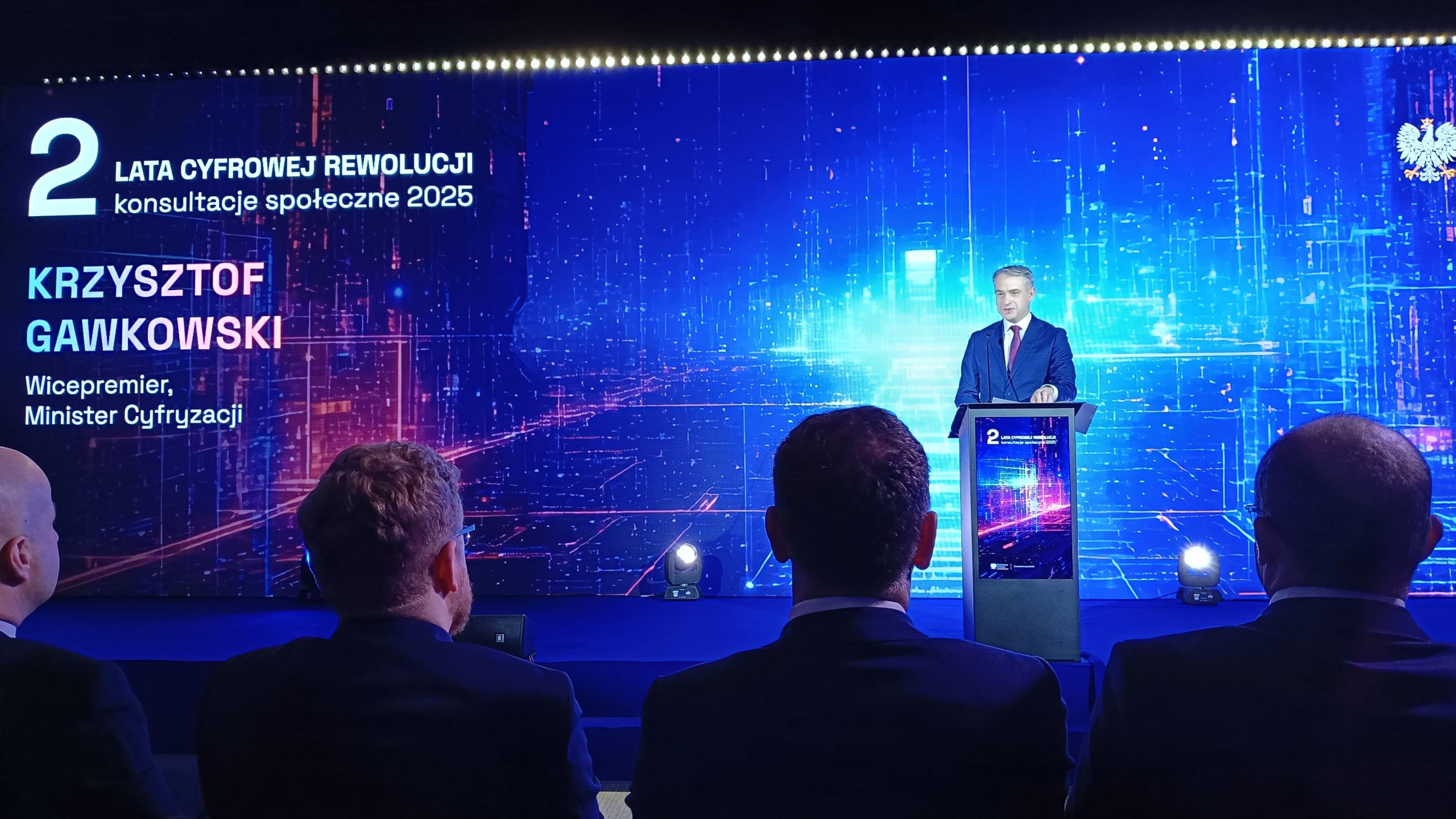
On December 10th, 2025, nearly 300 representatives from government, technology, academia, business, and civil society gathered at Fabryka Norblina in Warsaw to discuss the direction of Poland’s digital transformation. Among the participants was Piotr Trusiewicz, board member of BIM Ally, who contributed the perspective of the construction and BIM technology sector.
This event was more than a summary of the Ministry of Digital Affairs’ two years of work. It became a space where the standards of tomorrow’s digital state are defined — including those that will directly influence our industry.
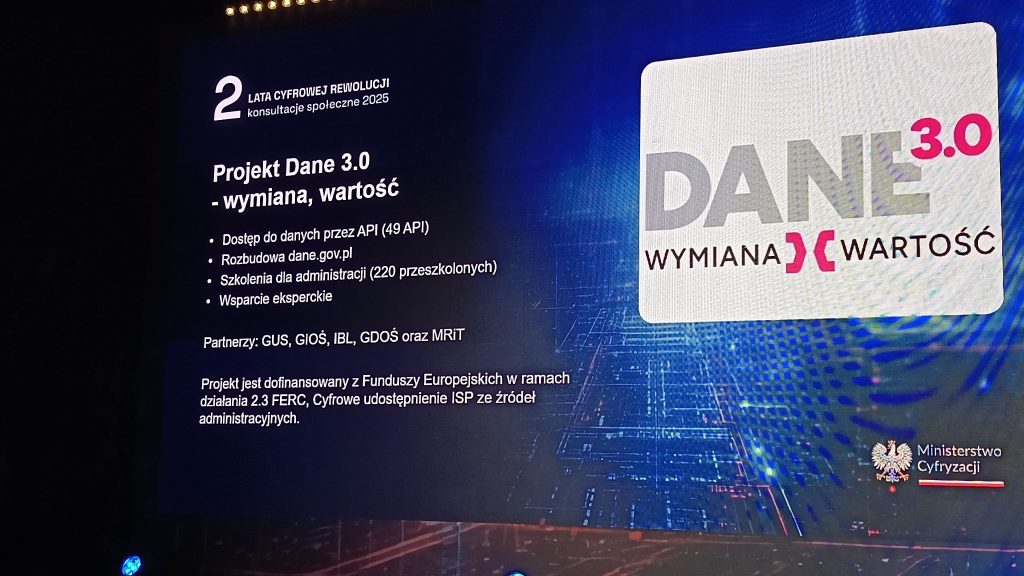
Digitalization in Action. What Did the Ministry Present?
The agenda covered eight thematic areas, each revealing how broadly today’s digital transformation reaches:
- development of safe and responsible artificial intelligence,
- increased national investment in cybersecurity,
- formalizing and ordering regulations around data governance,
- strengthening digital public services — including further development of the mObywatel app,
- raising the digital competencies of citizens,
- expanding access to high-speed internet,
- implementing new digital tools for administration, such as e-Deliveries and an upgraded digital national vehicle system (CEPiK),
- expanding the GovTech ecosystem and supporting the ICT sector.
The message is clear: the state must become faster, more predictable, and fully digital. And this direction opens the door to long-awaited changes in the construction sector.
What Does This Mean for Construction? Insights From Piotr Trusiewicz
In his summary of the event, Piotr Trusiewicz highlighted several points that are especially relevant for the construction and BIM ecosystem.
1. Eliminating paper by 2035
This ambitious goal is also a breakthrough moment. Digital administrative processes will mean:
- digital documentation,
- digital permits,
- digital models,
- automated compliance checking.
This shift has the potential to transform how we design, approve, and deliver construction projects.
2. Promotion of open and standardized data formats
This topic is central to our mission. In Poland, the lack of unified data standards remains one of the major barriers to digitalizing construction. Problems with exchanging BIM models, limited interoperability between tools, and inconsistent documentation formats — this is the daily reality for designers and contractors.
If the state begins consistently promoting open data formats, we can expect real improvements:
- smoother collaboration between all project stakeholders,
- more consistent BIM models,
- a clear path toward digital product passports,
- foundations for automation and broader adoption of AI in design workflows.
3. AI as a natural part of public services
If AI will soon support administrative processes, it is only a matter of time before generative models and intelligent algorithms become standard tools in construction. The potential is enormous: from automated clash detection to cost prediction, energy optimization, or environmental analysis.
Why Does BIM Ally’s Presence at These Consultations Matter?
For us, participation in events like this is not just observation — it is an active role in shaping the future. BIM Ally has long advocated for open, interoperable data exchange in construction, so contributing our perspective to discussions with government is essential.
Our presence:
- builds a bridge between BIM technologies and governmental digital strategies,
- brings real industry needs into the public dialogue,
- strengthens the construction sector’s voice in regulatory processes,
- allows us to co-create a future where construction uses the same standards as digital administration.
The more aligned these two worlds become, the faster the entire sector will move toward full digitalization — resulting in greater efficiency, reduced risk of errors, increased transparency, and higher-quality projects.
Looking Ahead With Optimism
The “2 Years of Digital Revolution” consultations clearly showed one thing: Poland is entering a stage where digitalization becomes not an add-on, but the foundation of how institutions, businesses, and whole industries operate.
We are proud that BIM Ally could be part of this dialogue — and that Piotr Trusiewicz represented the BIM industry perspective at such an important event.
We believe that the decisions being shaped today will support open data exchange, interoperability, digital construction processes, and the development of modern technologies that transform how we design, build, and operate buildings.
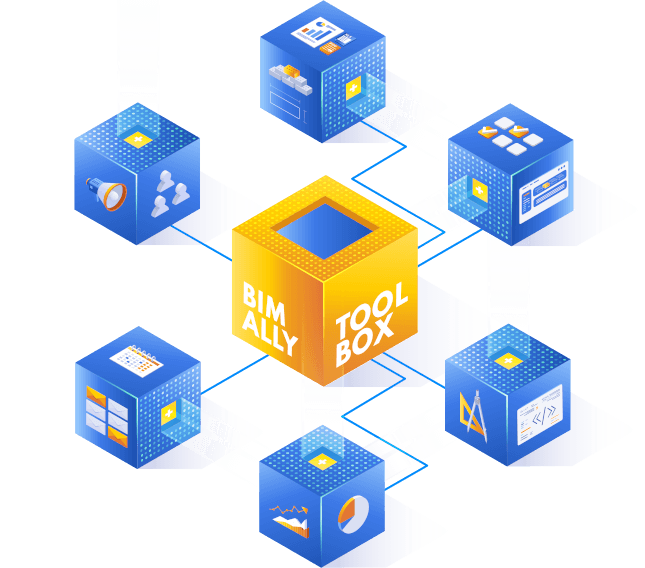
BIM ALLY TOOLBOX will equip your company with tools and services, thanks to which you will be able to effectively manage cooperation with both current and newly acquired designers.